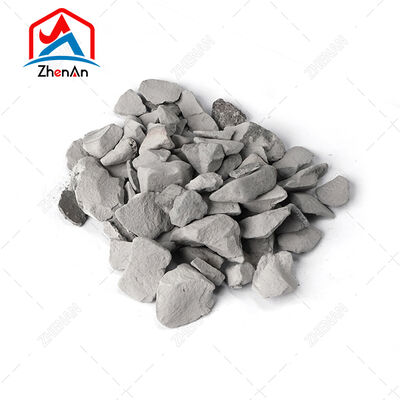
¿Por qué elegir el nitruro de silicio ferroso (FeSiN) para aplicaciones refractarias y de fabricación de acero?
- Rendimiento antirrompimiento bajo choque térmico
- Excelente estabilidad a altas temperaturas (> 1400°C)
- Doble función: aleación de nitrógeno + refuerzo de la estructura
- Mejora la vida útil refractaria y reduce los costes de mantenimiento
- Calidad constante para el uso en las centrales siderúrgicas de gran escala
¿Qué es el nitruro de silicio ferroso y por qué se utiliza?
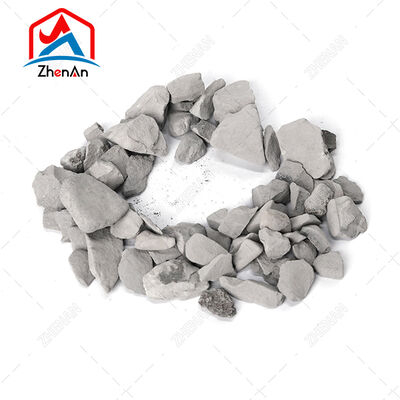
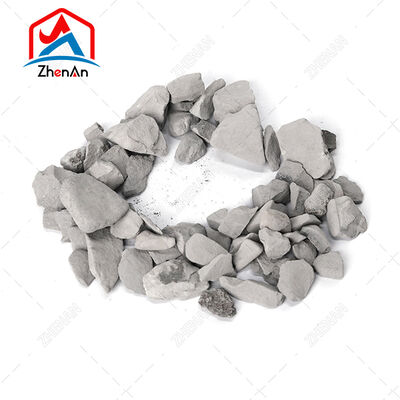
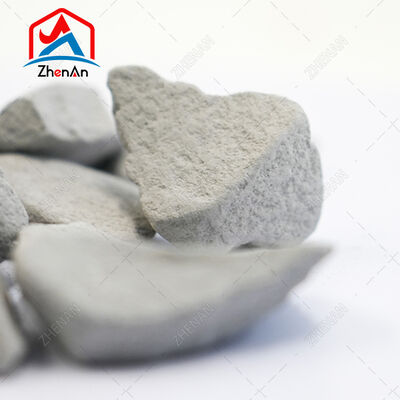
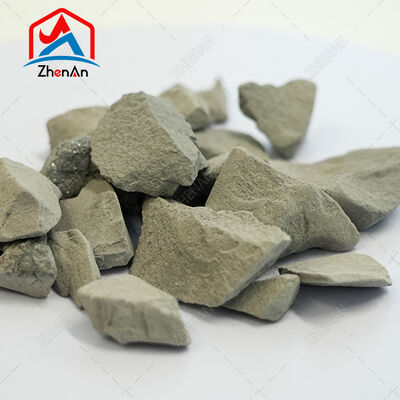
El nitruro de silicio ferroso (FeSiN) es un material de aleación compuesta que combinaSilicio, nitrógeno y hierro, ampliamente utilizado tanto en la siderurgia como en las industrias refractarias.transportador de nitrógeno, estabilizador a alta temperatura y potenciador estructural, mejorando tanto las propiedades del metal fundido como la durabilidad refractaria.
En los materiales refractarios, el FeSiN mejora la resistencia al choque térmico y a la rotura.refinamiento de microestructuras y refuerzo de nitrógeno, por lo que es un aditivo multifuncional para los procesos metalúrgicos modernos.
¿Cuáles son las especificaciones típicas de FeSiN?
| Parámetro |
Rango de especificaciones |
| El silicio (Si) |
40 ∼ 60% |
| El contenido de nitrógeno (N) |
2035% |
| El hierro (Fe) |
Saldo de las cuentas |
| El carbono (C) |
≤ 1,5% |
| Tamaño de las partículas |
10 50 mm / personalizado |
| Densidad de volumen |
2.5 ∙ 3,2 g/cm3 |
| Formulario |
Grano o grano |
| Aplicación |
Fabricación de acero y refractarios |
¿Cómo mejora el FeSiN el rendimiento refractario?
El FeSiN mejora significativamente los materiales refractarios al mejorar suresistencia al choque térmico e integridad estructuralCuando se incorpora en ladrillos refractarios, el nitrógeno reacciona con el silicio para formar fases estables que aumentan la fuerza de unión.
Además, el FeSiN mejora la resistencia a la oxidación a altas temperaturas.que permiten a los materiales refractarios mantener su rendimiento durante ciclos de servicio más largos en hornos, cucharas y hornos.
¿Por qué el FeSiN es eficaz como material anti-crack?
El agrietamiento en los refractarios es típicamente causado por el desajuste de expansión térmica y estructuras de unión débiles.Fases de unión cerámicas fuertesque mejoran la flexibilidad y la resistencia al estrés.
El componente nitrógeno ayuda a estabilizar la estructura interna, evitando la propagación de microcracks.mayor duración, menos apagones y menor frecuencia de reemplazo.
¿Cómo funciona el FeSiN en ambientes de alta temperatura?
El FeSiN mantiene una excelente estabilidad a temperaturas superiores a 1400 °C. Su estructura resiste la oxidación y el ataque químico, por lo que es adecuado para ambientes metalúrgicos adversos.
En los hornos siderúrgicos, el FeSiN no sólo sobrevive a temperaturas extremas, sino que también contribuye aproducción de acero más limpioAl liberar nitrógeno de manera controlada, mejora la eficiencia metalúrgica.
Comparación del grado de FeSiN
FeSiN 30 vs FeSiN 20: ¿Cuál es mejor para los refractarios?
El FeSiN 30 contiene un mayor contenido de nitrógeno, lo que proporciona un mayor rendimiento anticrequete y una mejor resistencia a los golpes térmicos.aplicaciones refractarias de gama alta.
El FeSiN 20 es más rentable y adecuado para materiales refractarios estándar donde el rendimiento moderado es aceptable.
FeSiN vs Nitruro de Silicio: ¿Cuál es la diferencia?
El FeSiN incluye hierro, lo que facilita su integración en sistemas metalúrgicos y lo hace más rentable para su uso a granel.
El nitruro de silicio puro ofrece un mayor rendimiento cerámico, pero es significativamente más caro y se utiliza principalmente en cerámicas de ingeniería avanzada en lugar de refractarios industriales.
FeSiN vs Ferrosilicio: ¿Por qué es mejor el FeSiN para uso refractario?
El ferrosilicio actúa principalmente como desoxidante y no proporciona refuerzo de nitrógeno.
El FeSiN suministra tanto silicio como nitrógeno, ofreciendorefuerzo estructural y mejor resistencia a altas temperaturas, lo que lo hace superior para aplicaciones refractarias.
¿Cuál es la ventaja final del uso de FeSiN?
El FeSiN combina ventajas metalúrgicas y refractarias:
- Mejora la vida útil refractaria
- reduce el agrietamiento y el daño térmico
- mejora la calidad del acero mediante el control del nitrógeno
- reduce los costes generales de producción y mantenimiento


 ¡Su mensaje debe tener entre 20 y 3.000 caracteres!
 Spanish